 Pajarito Farms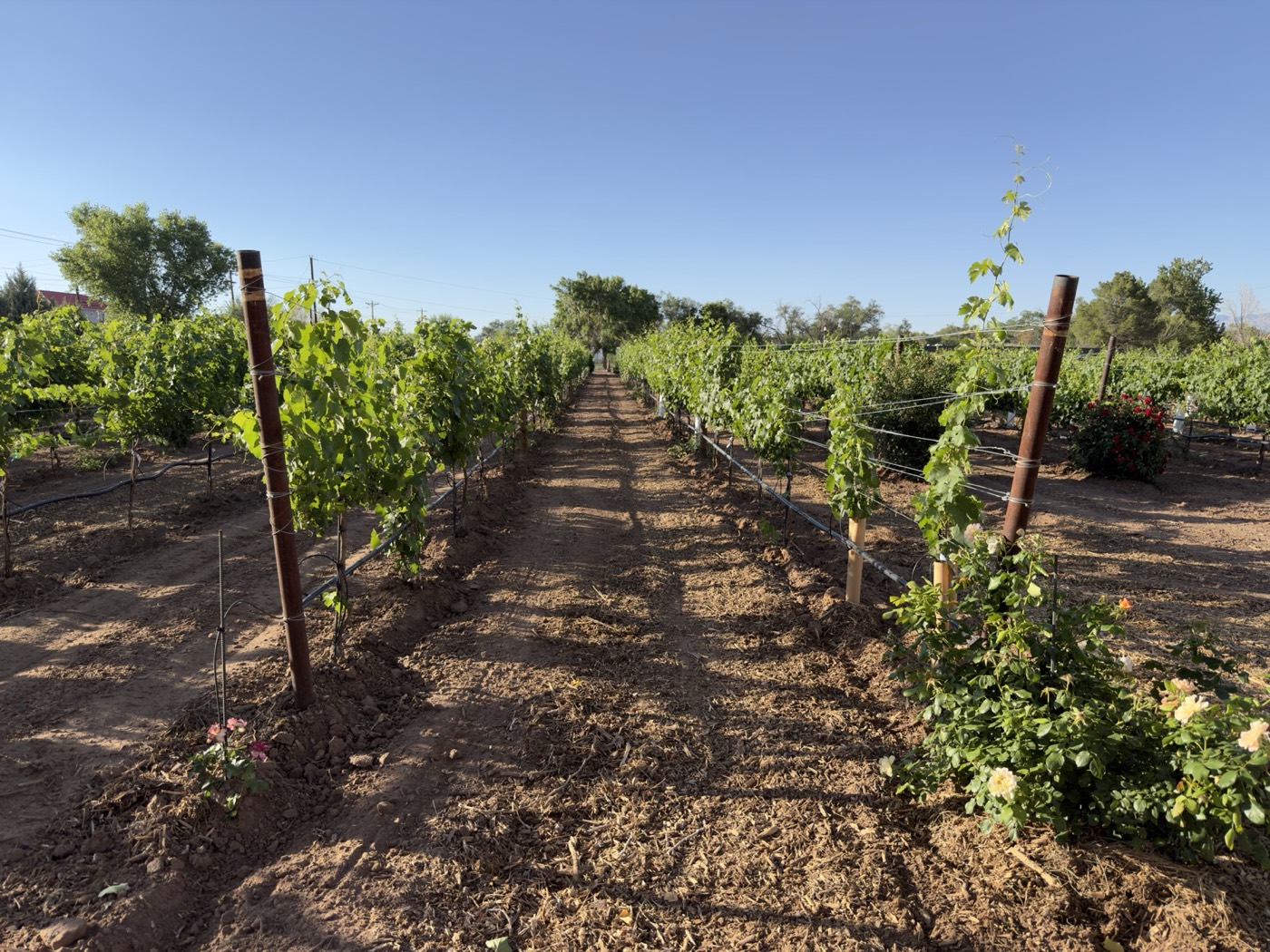
Harvest
Harvest 2026: come pick with us
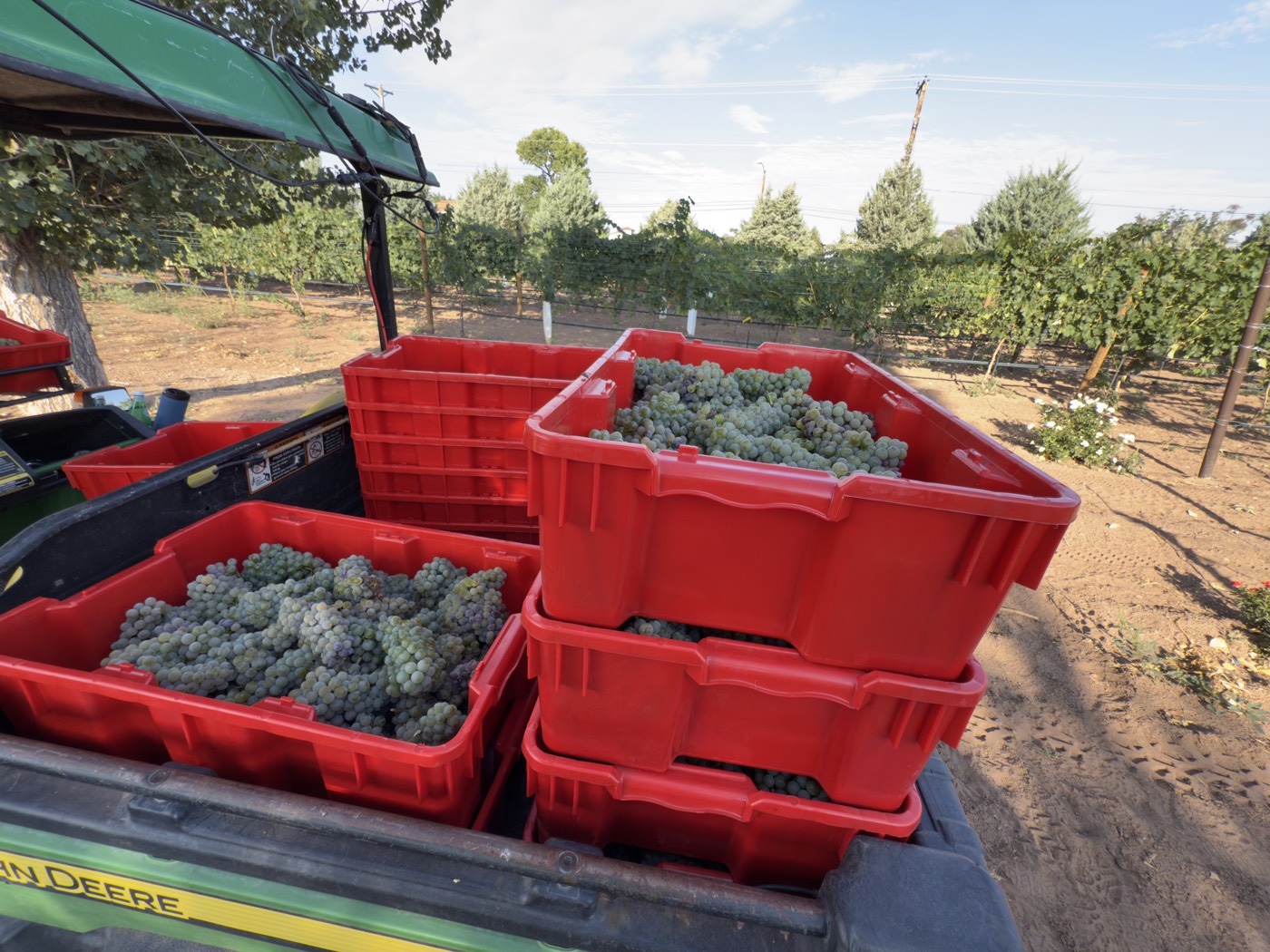
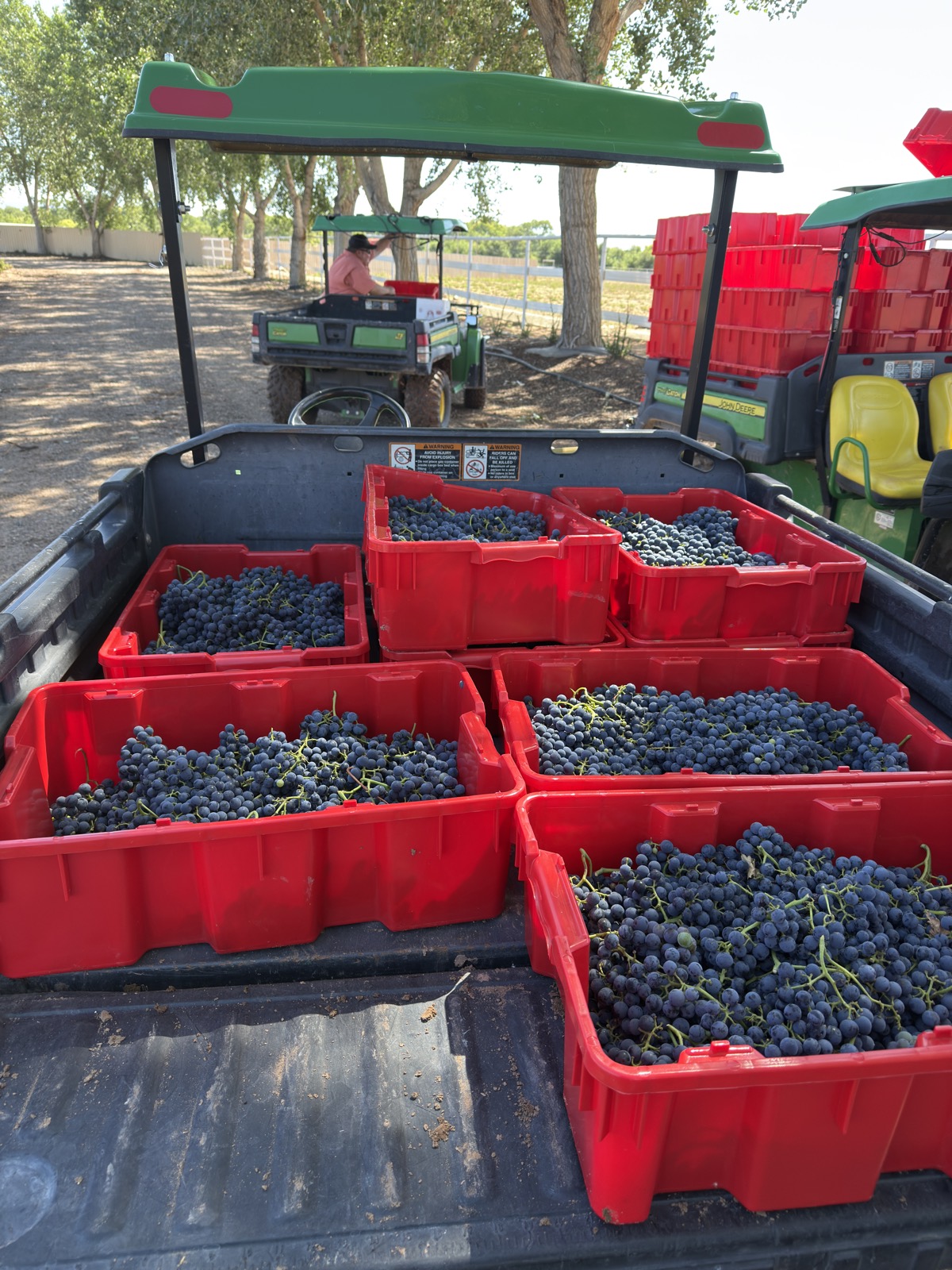
Our first real harvest ran four weekends starting August 15–16. Hand-picking, our very first crush, and a bottle of the first vintage reserved for every day picked.
First harvest · Four weekends · 14,993 lbs picked by hand
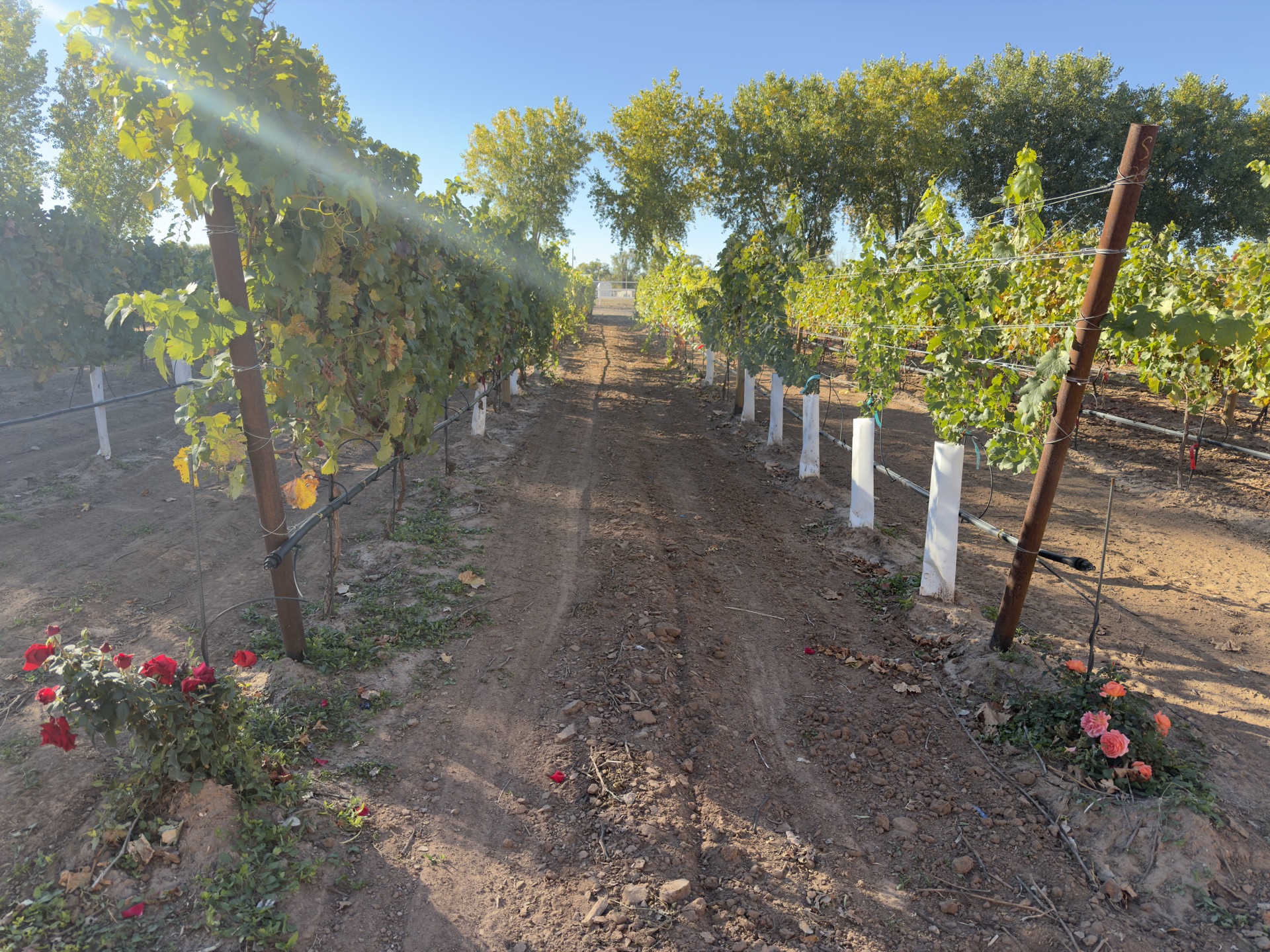
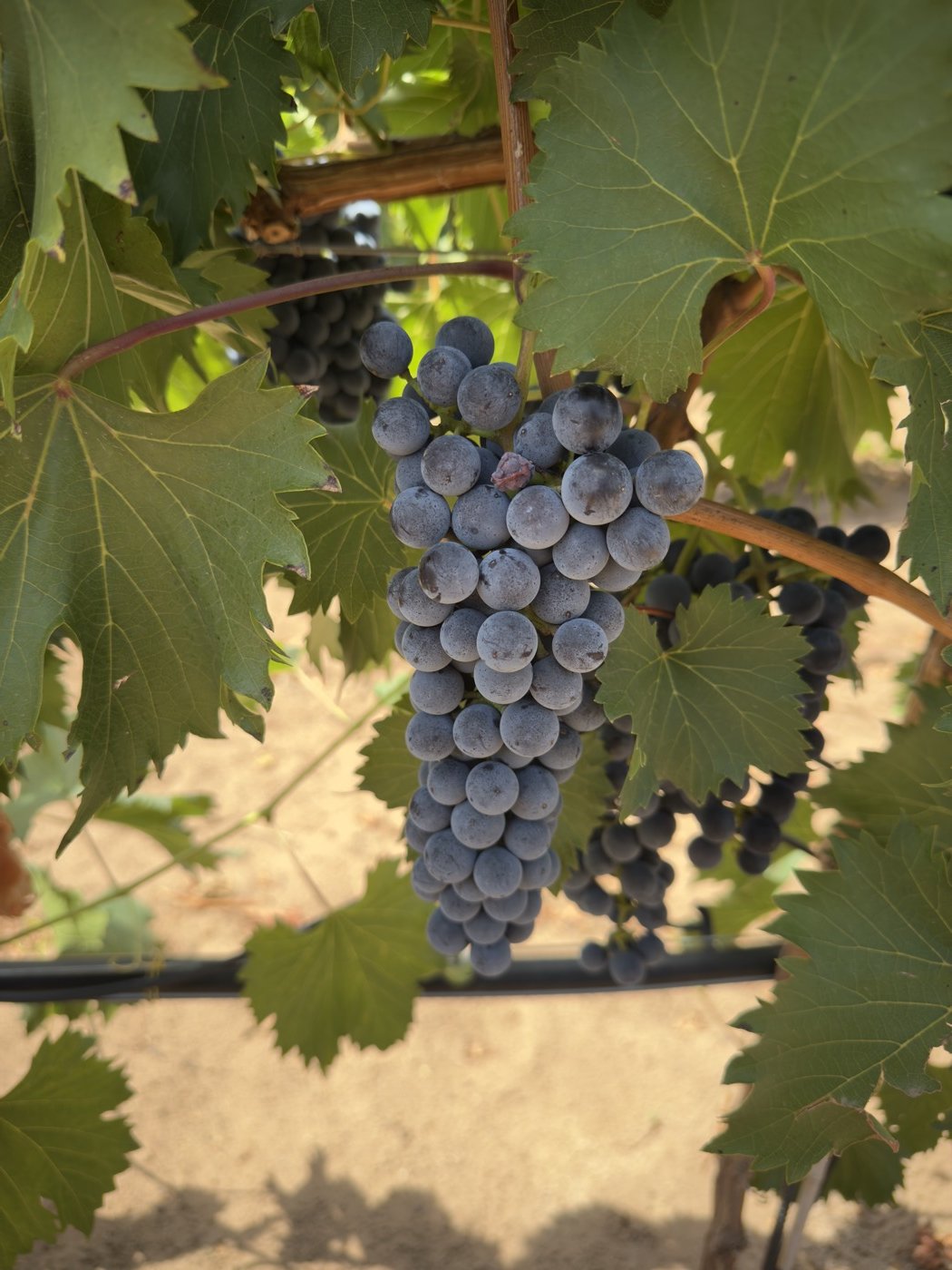
3,500 vines, eight grape varieties, rows of lavender, and a winery taking shape. Our first-ever public harvest is in the books — friends and neighbors picked every cluster by hand, and the first vintage is now working its way through the cellar.
Pajarito Farms
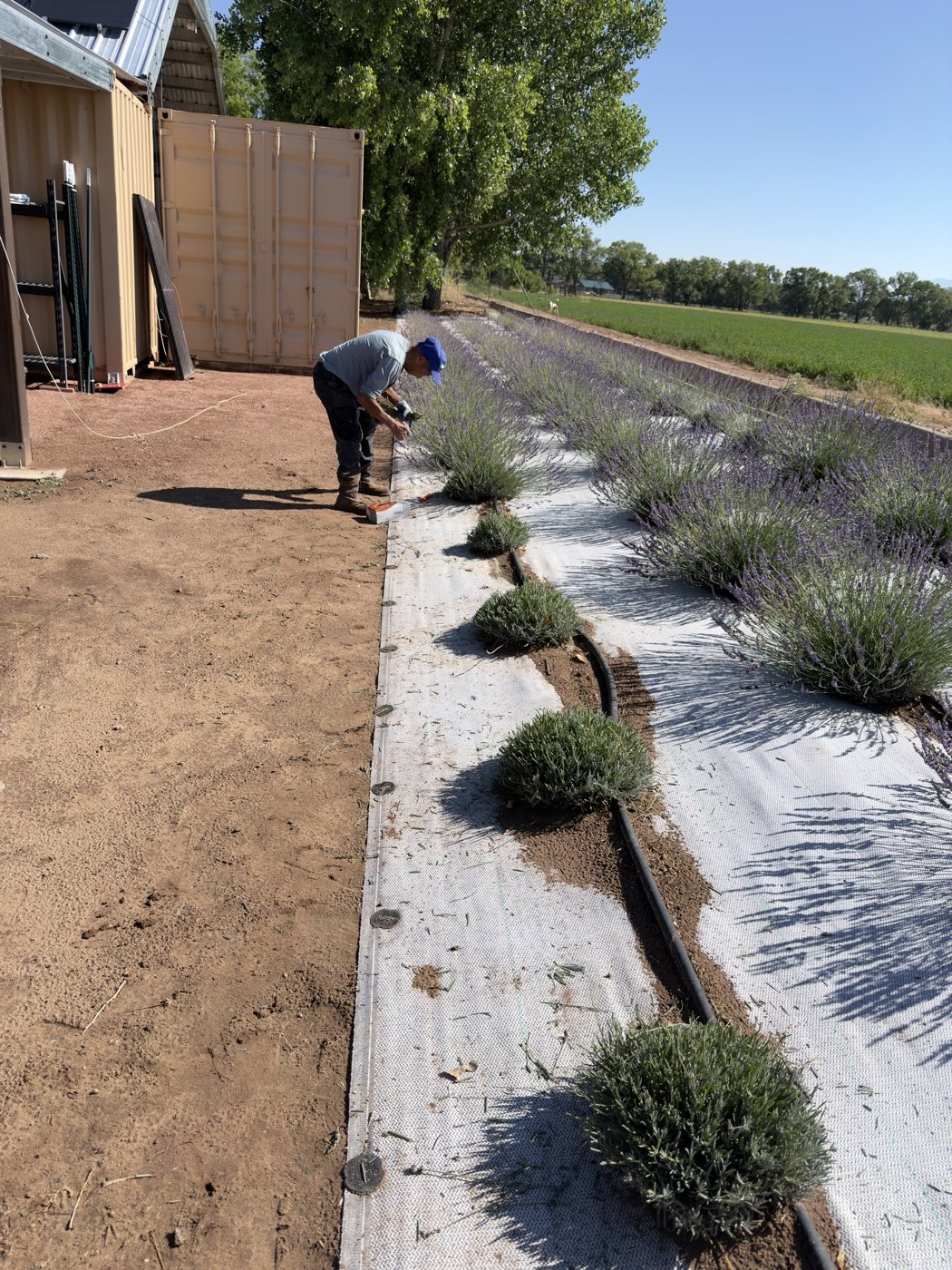
Pajarito Farms is nearly ten acres of working ground in Albuquerque: 4.5 acres of vines — about 3,500, planted over multiple seasons — a quarter acre of lavender, alfalfa fields, and a small estate winery taking shape around the fruit. Some of what we grow is proven in warm, dry climates; some is a deliberate experiment no one else is running here.
We're not trying to copy California. We're finding out — row by row, vintage by vintage — what actually works in this soil, at this elevation, in this weather.
And there's precedent: New Mexico is the oldest wine-growing region in the United States — missionaries planted the first vines along the Rio Grande by 1629, about 140 years before California's missions. We grow on that same river valley.
More about the project →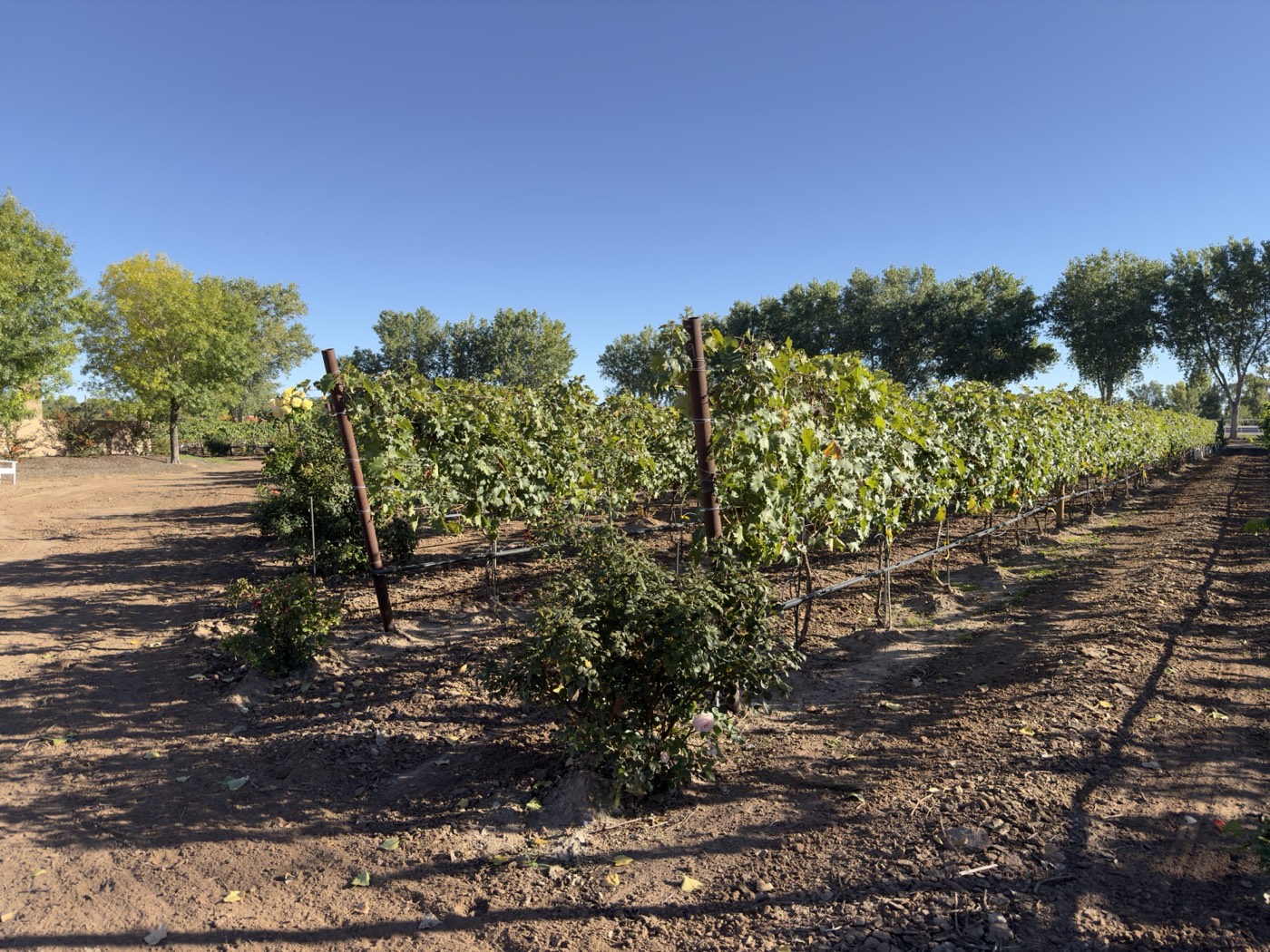
What we grow
Growing wine in Albuquerque
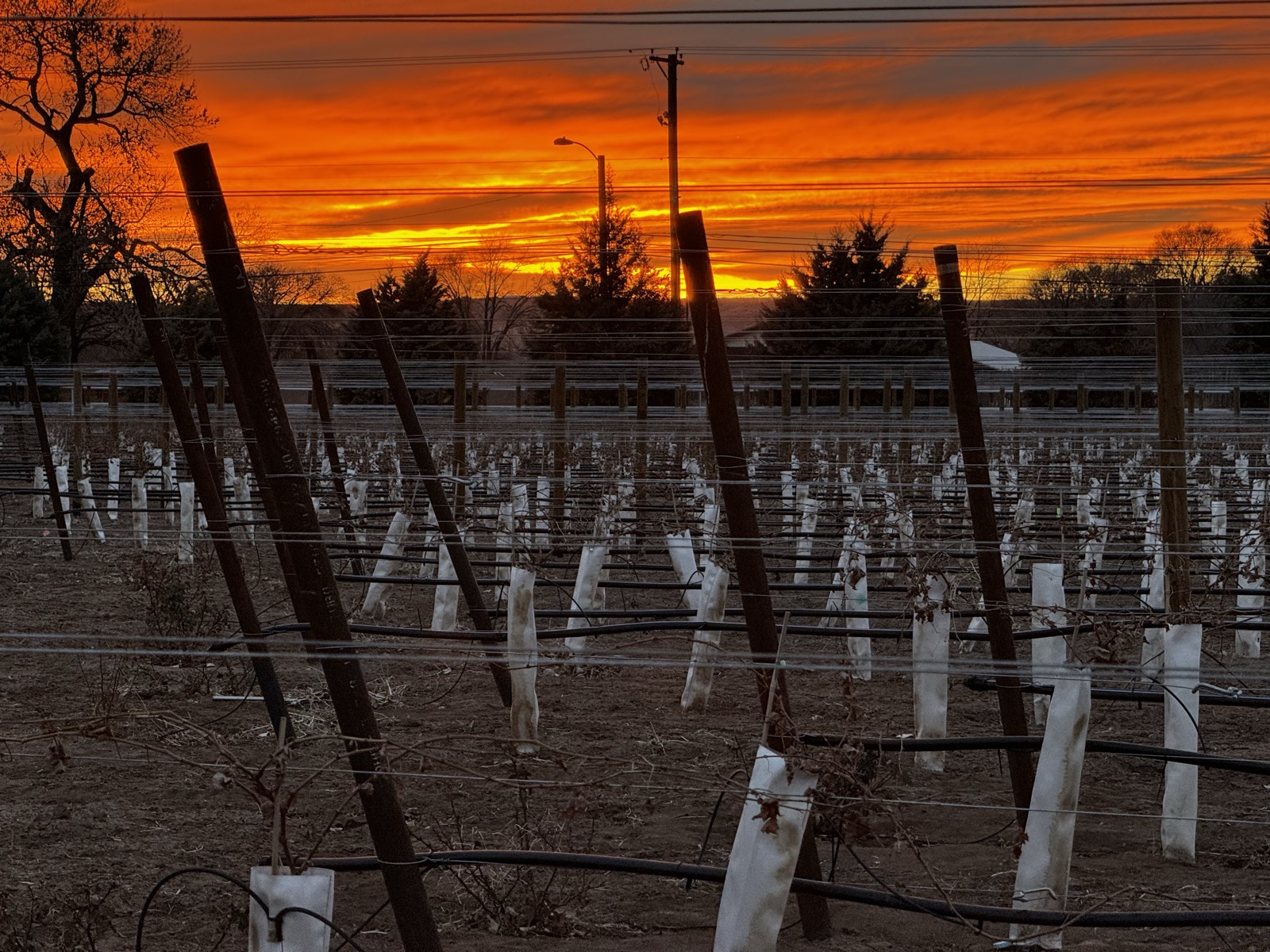
High-desert farming is a different sport: intense sun, dry air, real freeze risk in spring, and temperature swings that would surprise most coastal growers. It demands attention — and rewards it.
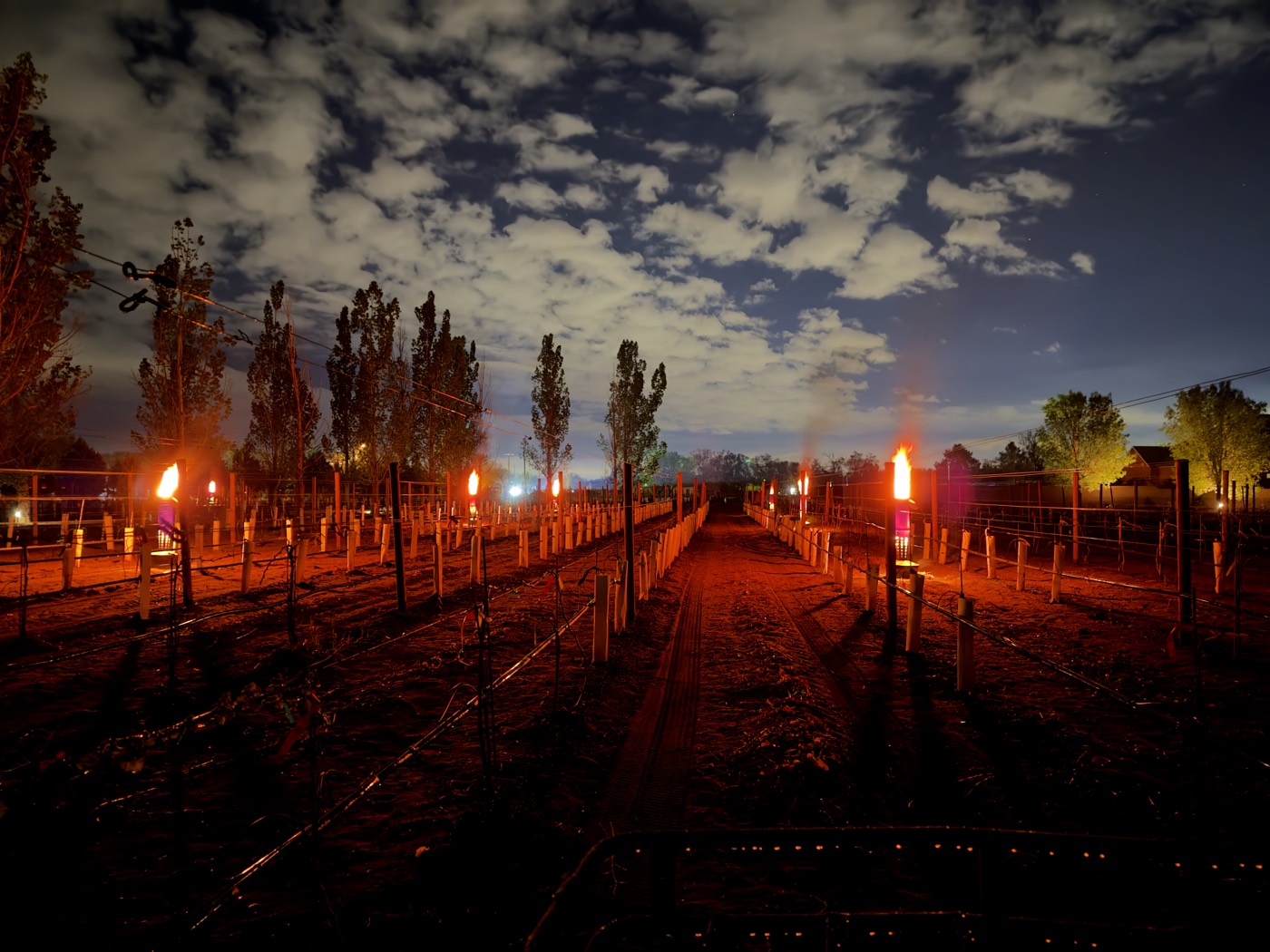
From the vineyard
Harvest
Our first real harvest ran four weekends starting August 15–16. Hand-picking, our very first crush, and a bottle of the first vintage reserved for every day picked.
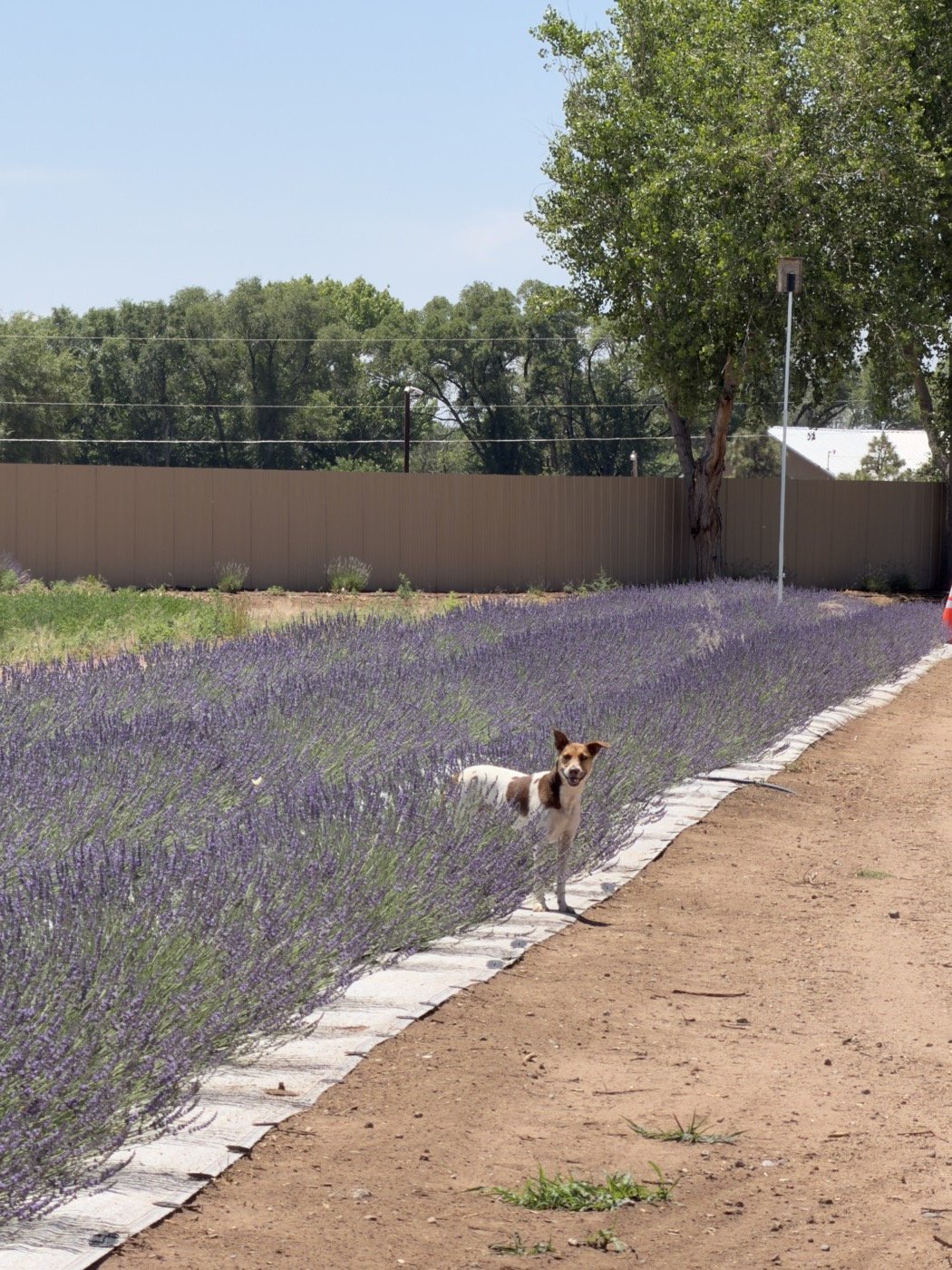
Farm Life
Every farm has a pest management program. Ours has four legs, a brown-and-white coat, and a single-day record of six gophers.
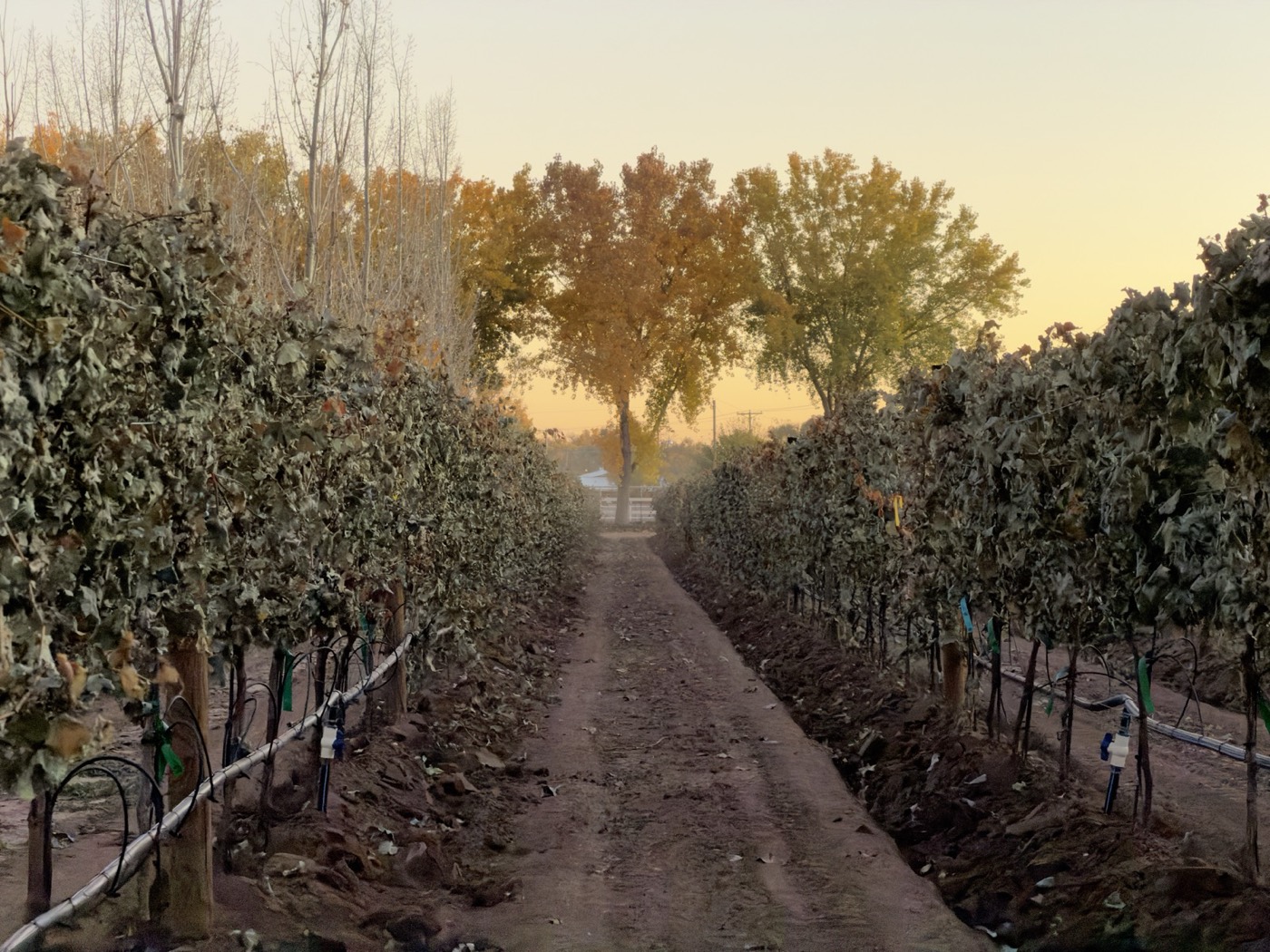
History
By 1629, Franciscan missionaries had carried contraband grapevines up the Camino Real and planted them along the Rio Grande near Socorro — about 140 years before California's missions. We're not starting a tradition. We're picking one back up.
Harvest updates, field notes, and first word when wine is released. That's it.